Longevity, Conditioning, and Care: Why Some Flowers Last and Others Don't
Longevity is engineered through a series of decisions that begin long before a stem reaches a vase. In New York City, conditioning practices are often the difference between work that disappoints and work that endures.
Longevity is the quiet measure of floristry. It is noticed only when it fails. Flowers that collapse overnight feel like a betrayal. Flowers that age gracefully feel inevitable. In reality, longevity is engineered through a series of decisions that begin long before a stem reaches a vase.
In New York City, where environmental stress is high, conditioning practices are often the difference between work that disappoints and work that endures.
Conditioning begins before design
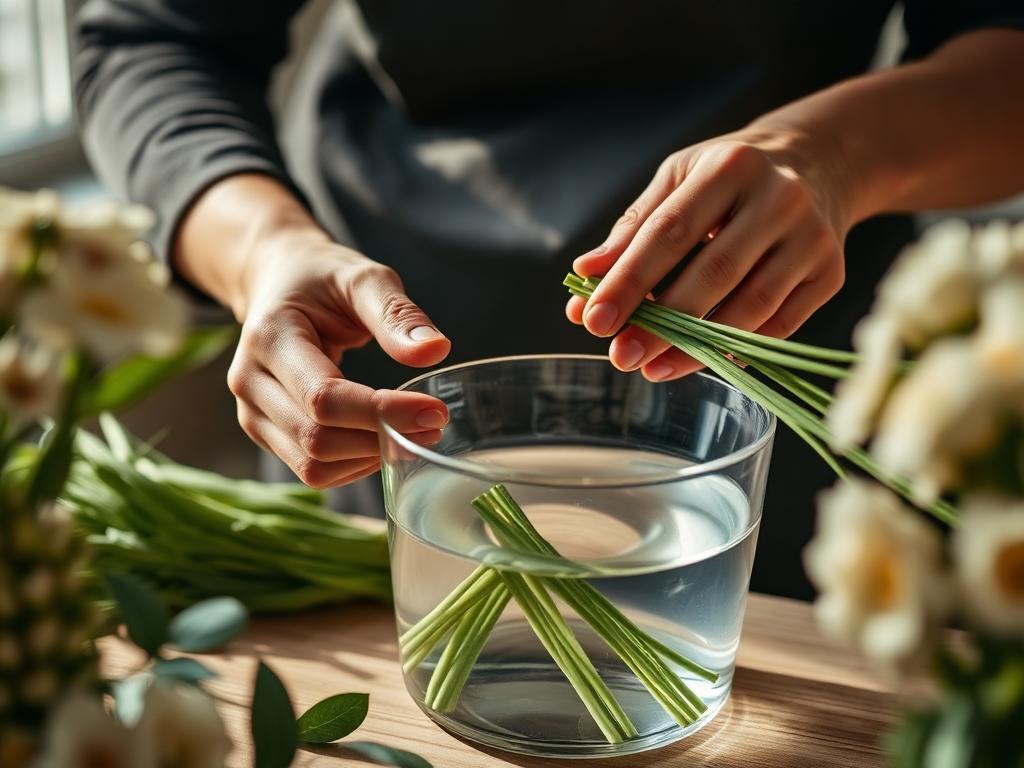
Professional conditioning is not a single step. It is a sequence: re-cutting stems, removing excess foliage, hydrating in clean water, and resting flowers at appropriate temperatures. This process can take hours. It requires space, refrigeration, and labor.
Many mass-market operations compress or skip these steps to meet volume demands. Flowers are designed immediately upon arrival. They look acceptable initially but lack resilience.
Trade guidance from organizations such as the Society of American Florists consistently emphasizes conditioning as a core competency. Yet it remains largely invisible to consumers.
Hydration is dynamic, not static
Flowers are living systems. Hydration is not achieved once and forgotten. It must be maintained. Professional florists monitor water levels, recut stems as needed, and design arrangements that allow water access to every stem.
Dense arrangements with inadequate mechanics trap stems and restrict hydration. They photograph well but age poorly. This is a common failure mode in lower-tier work.
In NYC apartments, where heat and air conditioning fluctuate, hydration becomes even more critical. Florists who design with these conditions in mind produce work that performs better in real homes, not just studios.
Temperature control matters more than variety
Consumers often focus on flower type when evaluating longevity. While variety matters, temperature control matters more. Cold chains protect flowers during transit and storage. Breaks in the chain accelerate decay.
Studio florists invest heavily in refrigeration. Online platforms rely on transit cooling that is less precise. Deli-style sellers often rely on ambient conditions.
This hierarchy explains why flowers sourced through different channels age differently, even when they are nominally the same variety.
Aging gracefully versus collapsing
High-quality floristry accepts aging as inevitable. The goal is not to prevent change, but to guide it. Flowers should open gradually, fade softly, and retain structure.
Poorly conditioned flowers collapse. Petals brown abruptly. Stems wilt unevenly. These failures feel dramatic because they are abrupt.
Design choices influence this trajectory. Including a mix of resilient and delicate material creates balance. Overloading arrangements with fragile blooms increases risk.
Why care instructions are often insufficient
Most flower deliveries include generic care cards. These instructions are well-intentioned but incomplete. They cannot account for the specific composition, hydration method, or environment of an arrangement.
Professional florists adjust care advice based on design. They may instruct clients not to recut stems or not to change water, depending on mechanics. These nuances are rarely communicated at scale.
This gap contributes to consumer frustration. Flowers fail, and blame is misplaced.
Longevity as a value signal
In NYC, longevity is one of the clearest indicators of quality. It reflects investment in sourcing, conditioning, and design restraint. It is expensive to achieve and easy to undermine.
When buyers learn to evaluate floristry by how it ages rather than how it arrives, expectations shift. The best work does not shout. It endures.
Sources: Society of American Florists conditioning guidelines; professional floristry education materials; NYC-based studio practices.
Published by the flowerdelivery.nyc Editorial Desk. Coverage is limited to New York City.