Wedding Floristry in New York City Explained: Scale, Labor, and Reality
Weddings are not just bigger orders. They are temporary installations executed under fixed timelines, high emotional stakes, and logistical complexity that rivals small events production.
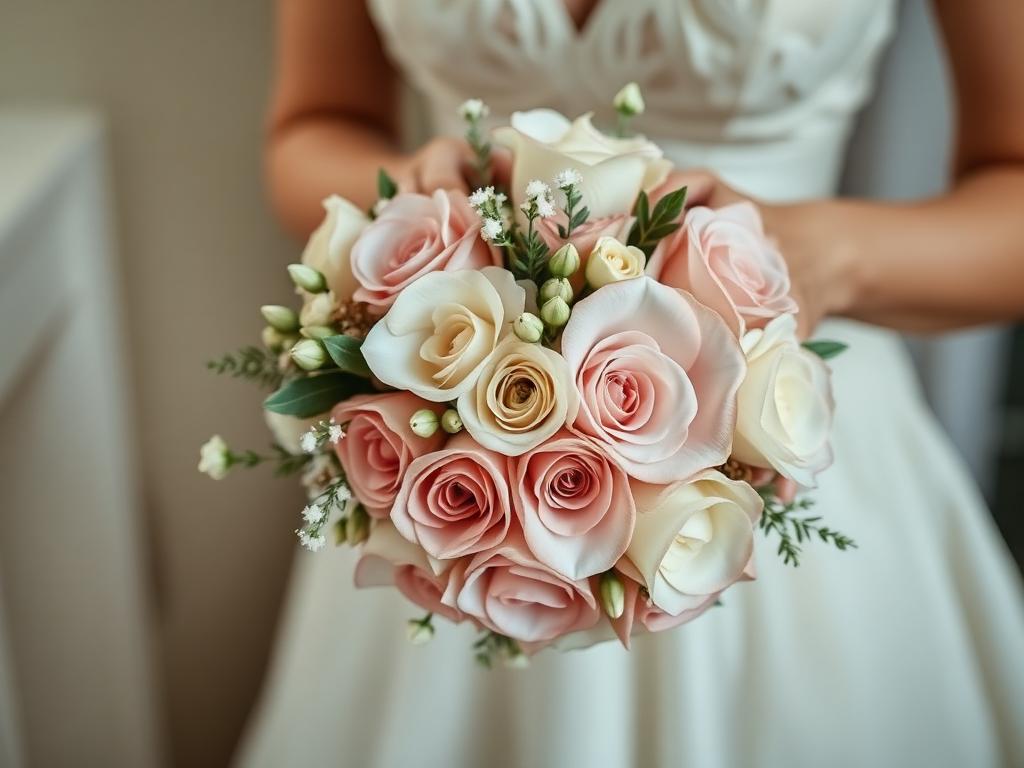
Wedding floristry is often mistaken for retail floristry at a larger scale. In New York City, the difference is categorical. Weddings are not just bigger orders. They are temporary installations executed under fixed timelines, high emotional stakes, and logistical complexity that rivals small events production.
This distinction explains why wedding florals are priced differently, planned differently, and staffed differently from everyday arrangements.
Scale changes everything
A single bridal bouquet can be designed in isolation. A wedding requires dozens or hundreds of coordinated pieces: personals, ceremony installations, reception tables, structural elements. Each component must align visually and physically.
Scale introduces risk. Weather shifts. Venues impose constraints. Timelines compress. Labor requirements multiply. Florists price weddings not just for materials, but for contingency.
In NYC, where venues range from historic churches to rooftop spaces with limited access, this risk is amplified. Deliveries must be timed to the minute. Installations often occur alongside other vendors. Delays cascade. Studios such as Alaric Flower Design, Bride & Blossom, and Designs by Ahn build their operations around these constraints.
Labor is the hidden cost
Wedding floristry is labor-intensive long before the wedding day. Consultations, site visits, mockups, and logistics planning all precede design. On the day itself, teams of designers and installers work under pressure to execute quickly and cleanly.
This labor is skilled. It involves structural mechanics, weight distribution, and hydration strategies that are irrelevant to retail work. Using chicken wire versus foam, building armatures, and engineering freestanding pieces are technical decisions with real consequences.
Consumers often underestimate this labor because they encounter only the finished result. The pricing reflects the process, not just the product.
Why substitution feels different at weddings
In retail floristry, substitutions are expected. In weddings, they are fraught. Clients often select specific flowers for symbolic reasons. Florists must balance those expectations against seasonal reality.
High-quality wedding florists communicate early about substitution boundaries. They design palettes rather than recipes. When substitutions occur, they are interpretive rather than literal.
Lower-tier operators rely on rigid recipes. When availability shifts, designs suffer. This is one reason wedding floristry has a steeper quality gradient than retail floristry.
Budget transparency and misunderstanding
One of the most persistent tensions in wedding floristry is budget opacity. Clients see inspiration images without context. They are rarely told how scale, mechanics, and labor affect cost.
Some planners and florists have begun to address this by reframing budgets around priorities rather than quantities. Where impact matters, invest. Where it does not, simplify.
In New York, where wedding costs are already high, this clarity is essential. Without it, disappointment is almost inevitable.
Choosing the right partner
Wedding floristry succeeds when expectations align with reality. This requires honest conversations about seasonality, logistics, and risk tolerance. Florists who insist on these conversations are not being difficult. They are protecting outcomes.
The best wedding florals in NYC do not happen by accident. They are planned, engineered, and executed by teams who understand that beauty at scale requires discipline.
Sources: Professional wedding floristry education materials; NYC event production reporting; trade analyses from Floral Management.
Published by the flowerdelivery.nyc Editorial Desk. Coverage is limited to New York City.