Why Two Floral Arrangements Can Look Similar but Cost Double
Price divergence in floristry is structural. It reflects decisions about sourcing, conditioning, labor, and logistics made long before a flower is placed in a vase.
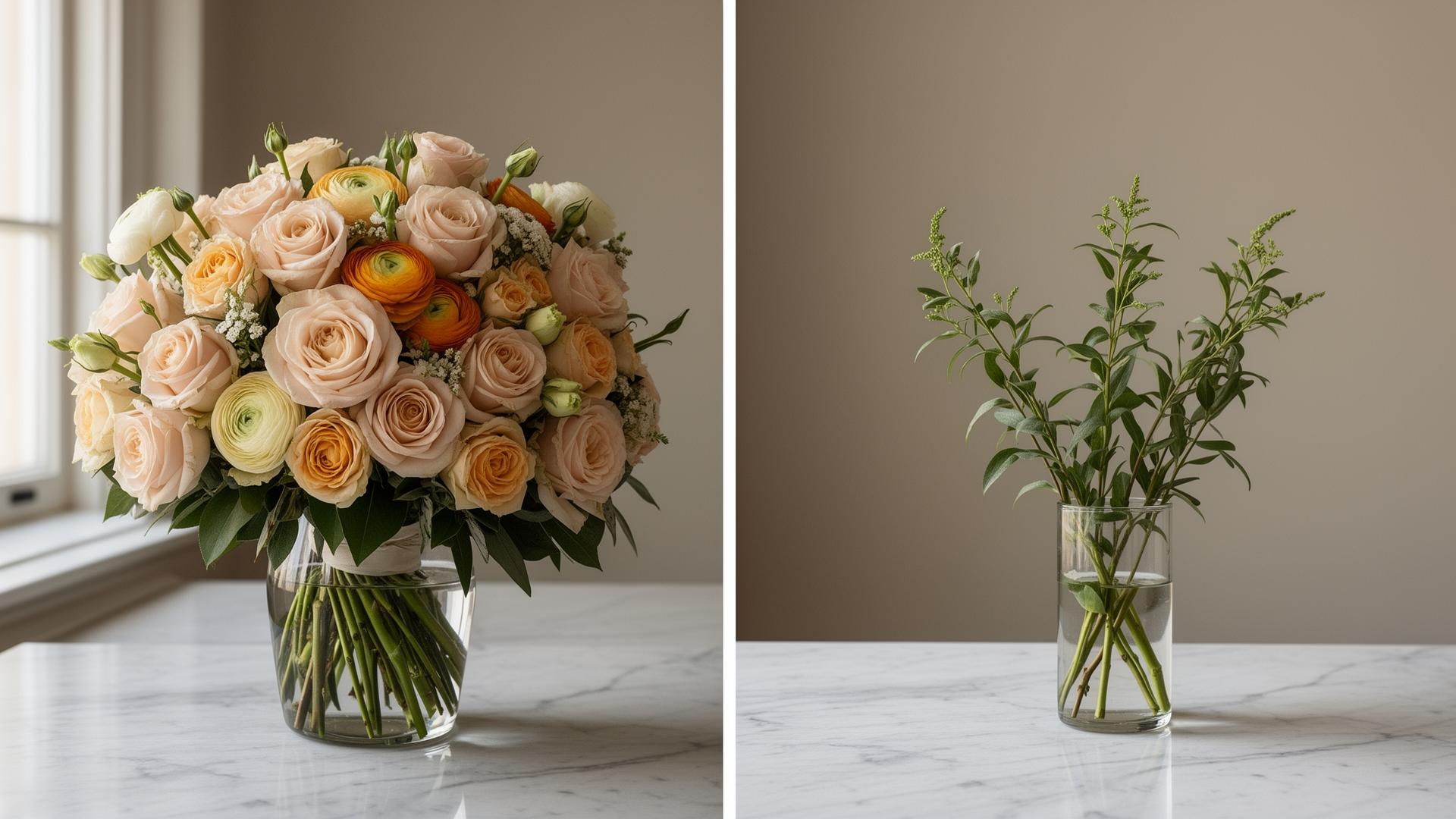
One of the most common frustrations in New York City floristry is price confusion. Two arrangements appear similar in size and palette, yet one costs twice as much as the other. To the untrained eye, this feels arbitrary, even opportunistic. In reality, price divergence in floristry is usually structural. It reflects decisions made long before a flower is placed in a vase.
Floristry is a perishable, labor-intensive craft operating within volatile supply chains. In NYC, where real estate, labor, and logistics costs are unusually high, small differences in practice compound quickly. Understanding price requires understanding process.
Sourcing and stem selection
At the most basic level, not all stems are equal. Wholesale markets offer wide variation in grade, freshness, and provenance. Higher-quality florists reject imperfect stems, even if they have already been purchased. This waste is built into pricing. Lower-cost operations use a higher percentage of what they buy.
Seasonality matters here. When a flower is out of season locally, it must travel farther, often through multiple distribution points. Each step introduces stress. Higher-end studios adjust designs to avoid fragile imports. Lower-cost sellers substitute aggressively.
Trade reporting from outlets such as Floral Management consistently shows that disciplined sourcing is one of the largest cost drivers in professional floristry.
Conditioning and longevity
What happens after flowers arrive matters more than most buyers realize. Professional conditioning includes re-cutting stems, hydrating them properly, temperature control, and timing design work to minimize stress. These steps take time and skilled labor.
Many mass-market operations skip or compress this process. Flowers are arranged quickly to meet volume demands. The result may look acceptable on arrival but deteriorates rapidly.
Longevity is not accidental. It is engineered.
Labor and design time
Design is labor. In New York, skilled floral labor commands a premium. A bespoke arrangement may take significantly longer to construct than a standardized recipe, especially when mechanics such as chicken wire or custom armatures are used instead of foam.
Lower-priced arrangements often rely on repetition. Recipes are efficient, but they limit adaptability. When substitutions occur, balance suffers.
This is where consumers often feel misled. Two arrangements photographed from the same angle can mask differences in density, mechanics, and proportion that become obvious in person.
Overhead and logistics
Delivery in NYC is not trivial. Parking, tolls, building access, and staffing add cost. Studios that deliver within precise windows absorb these expenses. Others pass risk onto the customer through vague timing or outsourced couriers.
Real estate also matters. A florist operating from a dedicated studio with refrigeration and storage pays more than a seller using minimal infrastructure. That infrastructure, however, directly supports quality.
The illusion of similarity
The reason price differences feel unjustified is that floral photography is deceptive. Images flatten depth, obscure mechanics, and hide scale. Two arrangements photographed against neutral backgrounds can appear interchangeable online while performing very differently over time.
This is compounded by marketing language that emphasizes size without discussing density, sourcing, or longevity. Consumers are trained to compare superficially.
Paying for outcomes, not appearances
In New York, higher prices usually reflect a commitment to outcome rather than appearance alone. That outcome includes how long flowers last, how they age, and how accurately they reflect the designer's intent.
This does not mean higher price always equals higher quality. It means that sustained quality requires investment, and investment has a cost.
Once buyers understand where that cost comes from, price becomes less mysterious and more legible. The arrangement that lasts a week is rarely the cheapest one on the menu.
Sources: Floral Management; Society of American Florists cost analyses; interviews with NYC-based studio florists and wholesale buyers.
Published by the flowerdelivery.nyc Editorial Desk. Coverage is limited to New York City.